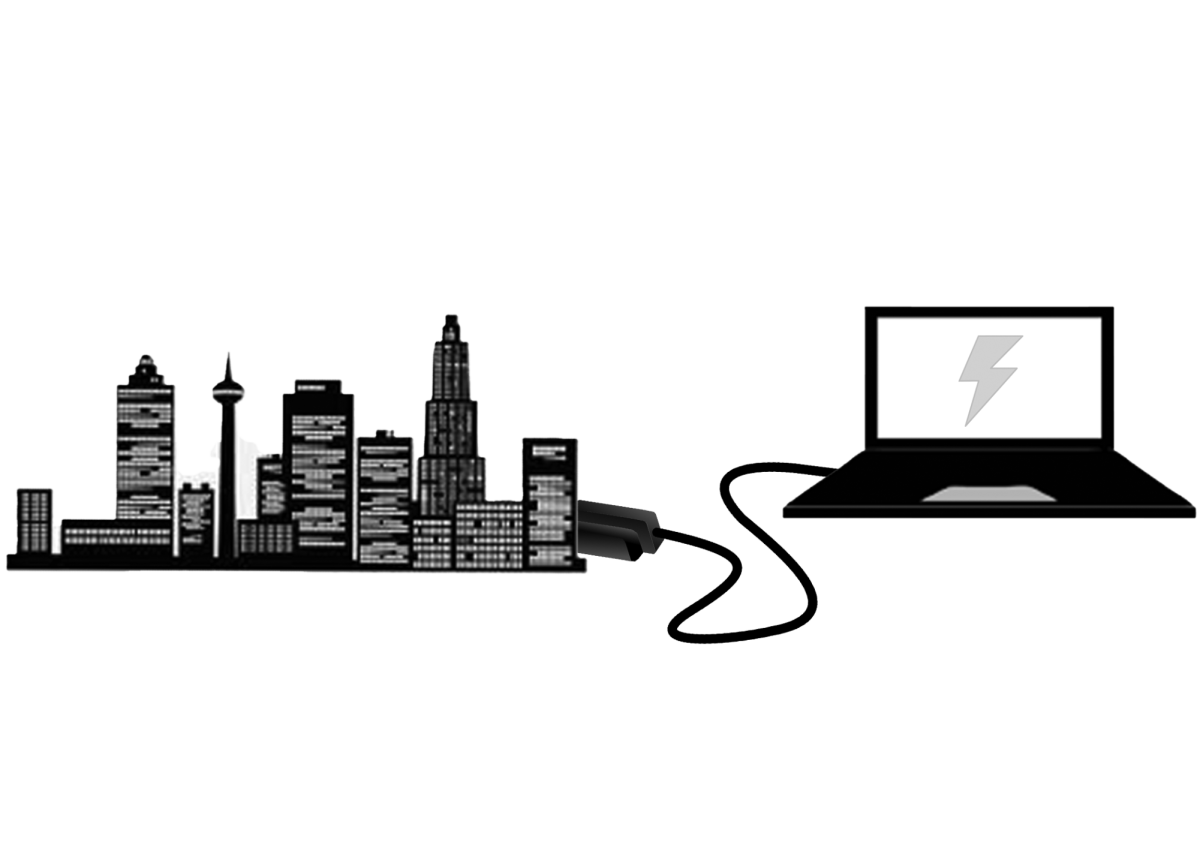

As the effects of AI generators spark environmental awareness, it’s important to fully understand the historical roots of current environmental issues to move forward in the name of environmental justice. In the United States, there is a pattern of redirecting the negative effects of societal and environmental issues onto marginalized communities, resulting in environmental racism.
Environmental racism is the disproportionate effect of degradation and pollution on marginalized communities, especially Black and Indigenous populations. These communities are left to reside near factories, landfills, polluted water, and other environmentally degraded areas. While environmental issues affect everyone, environmental racism focuses on how race and inequality determine who experiences the greatest harm.
Historically, Black communities have been predominantly affected by environmental issues in the U.S., namely “Cancer Alley”, an 85 mile stretch of land in Louisiana filled with neighborhoods in close proximity to petrochemical plants that release hazardous chemicals into surrounding communities. These communities were left with effects such as respiratory illnesses, maternal and newborn harm, and even cancer. While this came to light in the 1980s, many neighborhoods remain affected.
In the past, environmental racism was mostly connected to factories, oil refineries, and waste disposal sites. Today, climate change and modern technology have added new concerns. Less affluent communities and communities of color are likely to face flooding, extreme heat, and pollution caused by industrial growth and energy consumption. While technology continues to advance, environmental inequality remains connected to economic status.
Ms. Miller, one of Garfield’s AP Environmental Science (APES) teachers, said the long term impacts of being in environmentally poor areas extend beyond health and can confine people. “When building wealth for these communities, it becomes difficult because property values go down, because of the pollution-generating source nearby.” This makes it difficult for residents to leave their neighborhood because people don’t want to buy the homes, or “If they sell their house, they can’t actually afford to live in a neighborhood that might be away from the pollution source.”
Indigenous communities in Seattle and throughout the Pacific Northwest face significant environmental injustice. Urban developments such as Boeing have displaced many tribes and damaged natural ecosystems that Indigenous peoples relied on for survival and cultural practices. For example, “When Boeing worked along the [Duwamish] river doing intensive processes that produced a lot of byproducts that contain toxic materials like PCBS-without environmental regulations, those got washed into the Duwamish River.” Today, local Indigenous activists continue to advocate for the protection of land, water, and natural resources.
Although there is rising concern regarding ChatGPT’s over consumption of water usage, Dr. Finley, another of Garfield’s APES teachers, notes that the current events, “may encourage people to think more carefully about their daily habits and responsibilities toward the environment.” Finley suggests that while corporations should still be held accountable for environmental destruction, individuals must also recognize how their everyday actions contribute to climate change and environmental inequality.