
Seattle is a well-known hub for technology companies, so it comes at little surprise that developing companies want to build data centers as well. What is surprising, however, is the level of resistance facing construction attempts.
The proposed construction of multiple large data centers within Seattle city limits has sparked controversy and brought forth protest from residents. Originally, four companies approached Seattle City Light, Seattle’s main electric utility, with hopes of developing five data centers. Recently, however, one company dropped out and canceled its construction plans. The three remaining companies, Prologis, Equinix, and Sabey, were then left trying to build four centers. Prologis is a San Francisco-based real estate investment trust, Equinix is a multinational internet and data center company based in Redwood City, California, and Sabey is a Tukwila-headquartered company that manages the development, ownership, and operation of multi-tenant data centers.
The proposed construction projects are currently in their preliminary stages, and developers are conducting an engineering planning exercise called a “cluster study.” The purpose of the study is to create a rough outline of cost and logistics, including how the centers would be provided with the necessary energy.
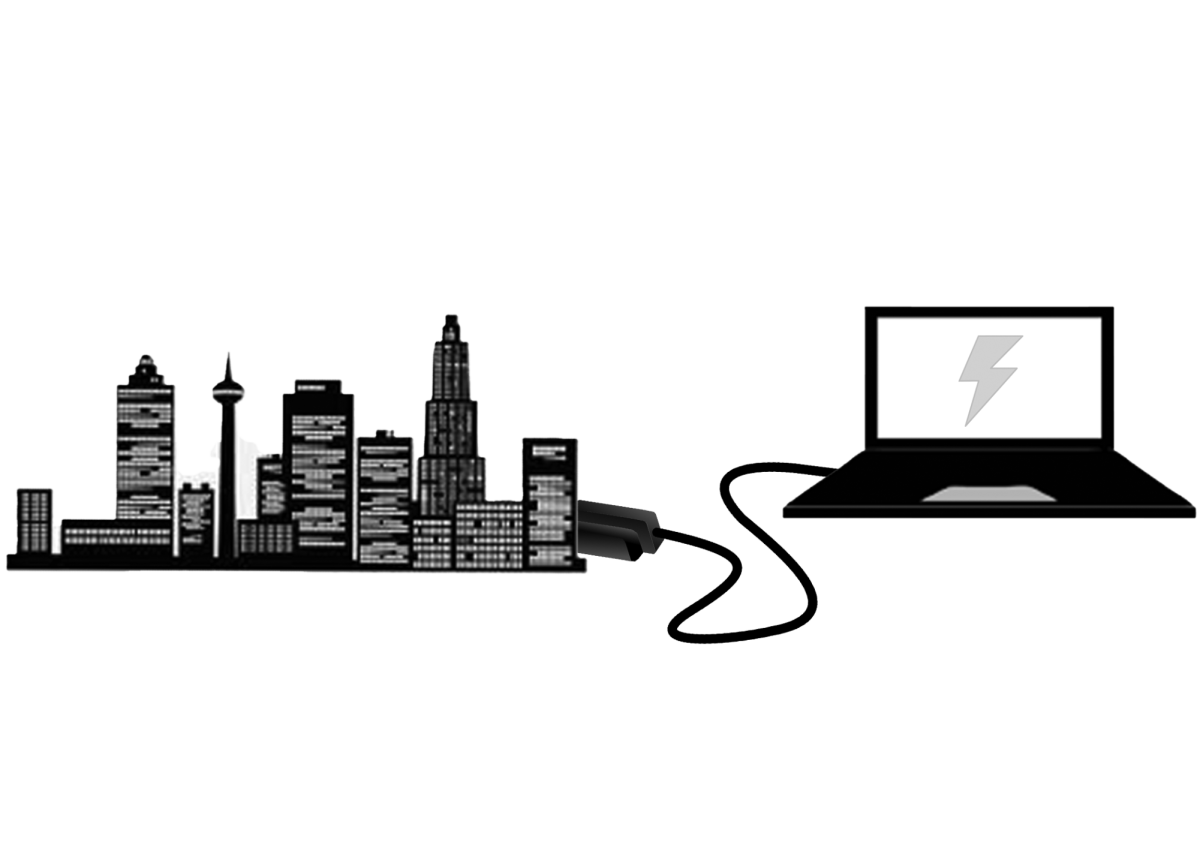
If approved, the data centers could impact the surrounding communities in multiple ways, including raised electricity prices and potential shortages as a result of the massive hubs. These concerns also connect to a larger movement known as electrification. Electrification is the process of converting sectors, devices, or systems from non-electric sources of energy to electrical energy sources. As Seattle begins to lean towards electrification, more aspects of the city are starting to require electricity to operate. Seattle City Light is beginning to prepare for this uptick in demand, but electrification will challenge the utility’s ability to serve its existing customers, and four power-guzzling data centers would only worsen the situation. Additionally, the increased demand for power will severely strain Seattle’s hydropower systems and potentially force electricity producers to rely more on fossil fuels.
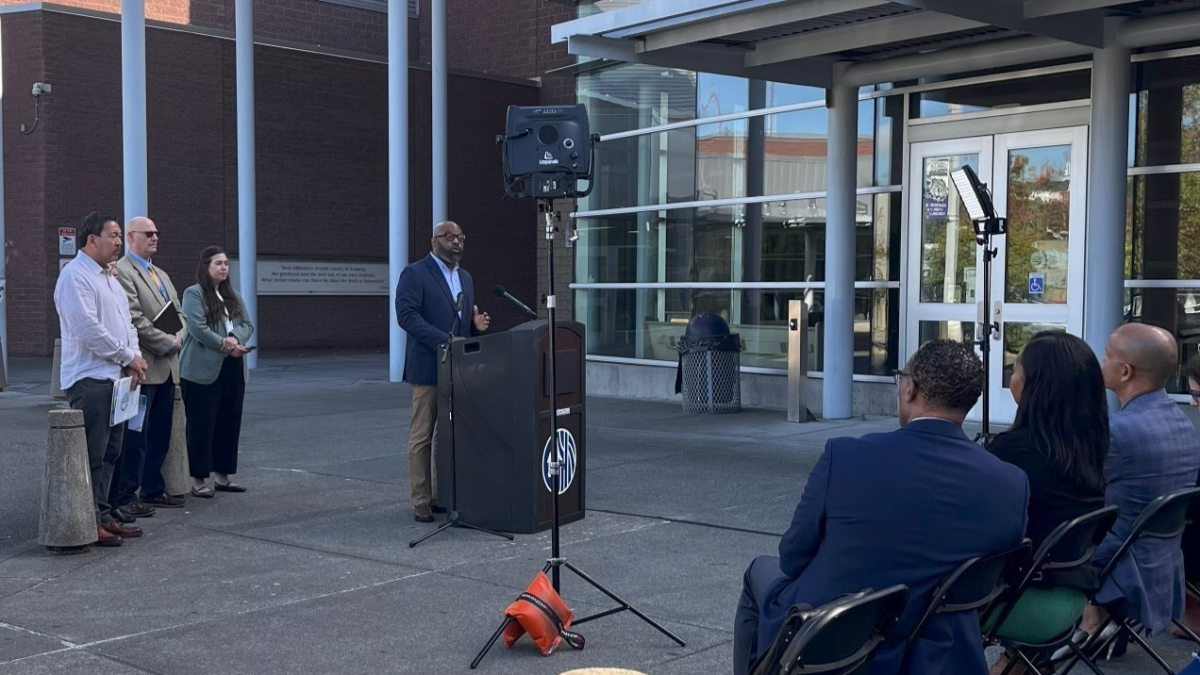
The fear of rising costs in energy bills is such that as of April 18, over 54,000 letters had been sent to the city petitioning for a ban on the construction of new data centers. This demonstration of public opposition led to Seattle mayor Katie Wilson issuing comments showing her support for concerns raised by the community and reassuring Seattleites that construction of the centers has not yet been given a green light. “I share community concerns about environmental justice, economic resilience, and impacts of increased costs for Seattle rate payers,” Wilson said, adding that “It is important to know that the City of Seattle has not authorized nor permitted any new data centers.” Acknowledging that the prospect of the data centers has “raised understandably intense public alarm.” Wilson stated that her team and Seattle City Light are working to “identify a range of long-term policy approaches, including exploring a moratorium on siting new centers.” A moratorium would prevent the construction of the proposed data centers, at least for the time being.
Despite pushback from residents wary of rising electricity bills, data centers would create many jobs in areas that lack ample opportunities, which is one of the reasons why the City of Seattle is still considering different approaches on how to implement them into the urban landscape.