
Peyton List’s Off-Broadway debut in the revival of Heathers: The Musical sparked new conversation about the phenomenon of celebrity stunt casting. List, who plays a lead, admitted to having no musical theater experience prior to the show. This developing pattern of casting celebrities has garnered criticism from fans and critics alike, with the common concern being that casting based on fame strips opportunities from deserving performers and diminishes the quality of shows.
So, what is stunt casting? Put simply, stunt casting is the act of hiring an actor solely based on fame to boost ticket sales and extend a show’s run. When done right, the actor should be able to draw in crowds while matching their abilities as a performer. An example of this can be seen in the show Harry Potter and the Cursed Child, on Broadway. Tom Felton, who became famous due to his portrayal of Draco Malfoy in the Harry Potter series, took the stage to revive his mentioned role back in November 2025. His presence drew excitement and anticipation from the crowd. On his opening night, Felton had to wait nearly 30 seconds to deliver his first line, a telltale sign of the audience he had brought in. Although his name was likely pulled to boost ticket sales, his attendance made sense to the audience and his role played into his strengths as an actor.
But when stunt casting is done incorrectly, it severely impacts the merits of Broadway and Off-Broadway productions. As previously mentioned, Peyton List’s portrayal of Heather Chandler received mixed reactions from watchers, many of whom critiqued the fact that List is not a singer. Even with the production adjusting vocal arrangements to accommodate her lower register, she was reportedly straining her voice for the end of the number, Candy Store, controversial only because the audience believed her vocals weren’t at a professional level at the time of opening.
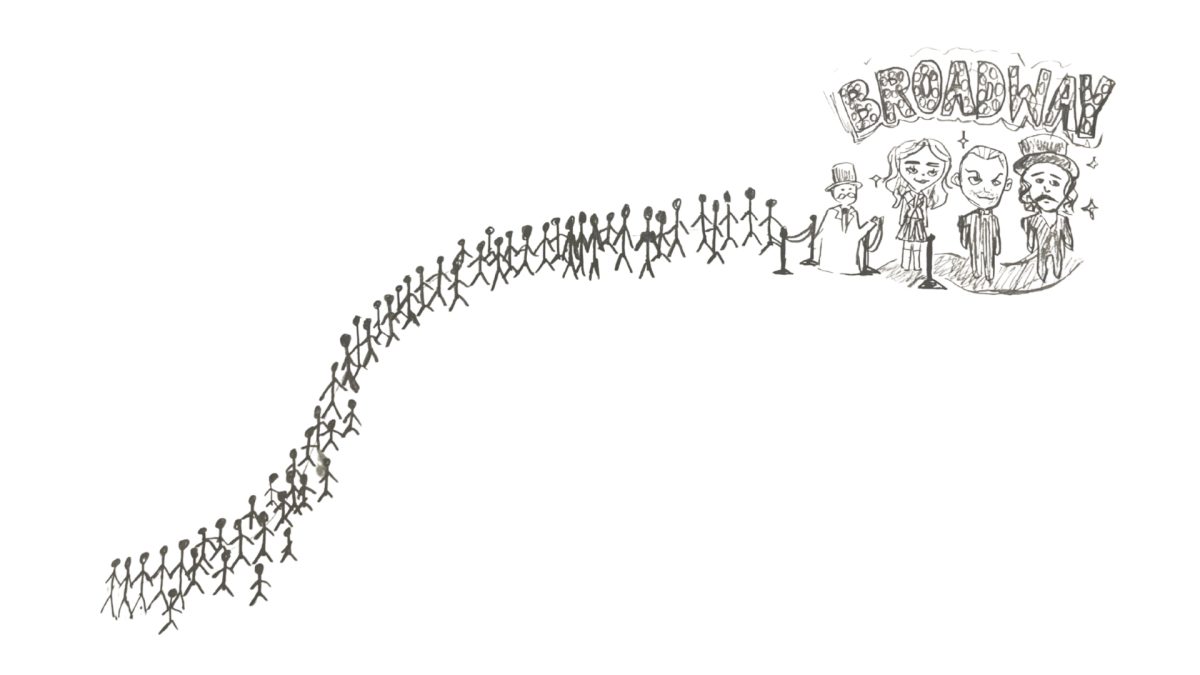
The issue with stunt casting is that in most cases, it sacrifices quality for exposure. If exposure is high and quality is low, more people will see shows that aren’t the best that they can be. Furthermore, if the general consensus of those shows is that the actors weren’t keeping up with industry standards, less people will engage with theater, creating a cycle of drawing audiences in to potentially shoo them away. To prioritize an actor’s notoriety over their ability makes it harder for lesser known–yet highly capable–actors to break into the industry. While giving opportunities to up-and-coming performers comes at a risk, it’s important to give everyone a fair shot in the spotlight, regardless of their fame.
With professional theater becoming more and more competitive, stunt casting has the potential to snub new talents from deserved roles. If casting directors continue to prioritize money over integrity, Broadway will lose out on what truly matters – the magic and excitement of live theater.