
It’s getting more and more difficult to be a “good” runner.
Open your phone to Instagram and you’ll see some 16-year-old break ten seconds in the 100-meter dash, or a middle schooler run 48 seconds in the 400m. In the past few years, there has been a noticeable surge in young athletes running elite times. This year alone, 17-year-old Cooper Lutkenhous ran a 1:45 800m (52.5 seconds per lap!) and Jackson Spencer broke the four-minute barrier in the mile. Even younger, 14-year-old Camrynh Dailey ran 51 seconds in the 400-meter dash and 7th grader Angelina Alder broke the 12-year-old mile world record with a 4:40.
These exceptional performances aren’t exclusive to middle and high school track teams either; recently, most influencers in the running scene flaunt daily ten-mile runs and “easy jogs” at fast paces. This makes the benchmark for an “average athlete” increasingly hard to meet.
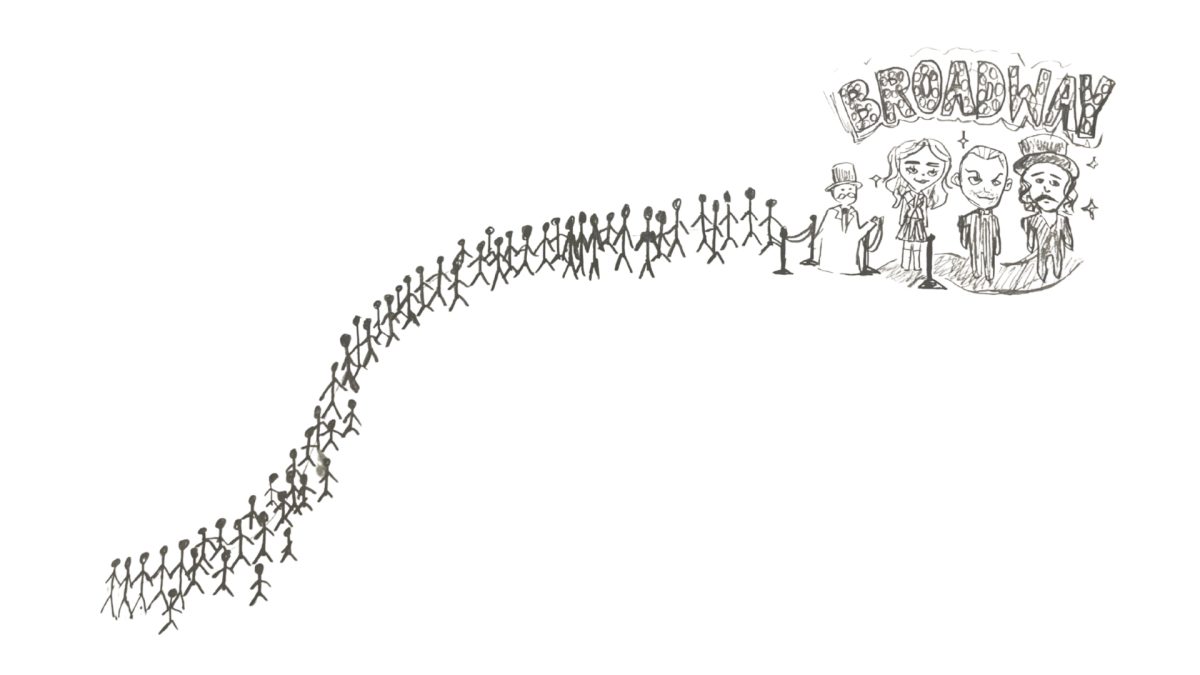
“Trackflation” is a term used to describe this phenomenon. As fast times become more common, traditional benchmarks feel “inflated” and the standards for athletes get raised. Times that would have contended to win State Championships in decades prior wouldn’t even get athletes qualified now.
Trackflation is commonly used in the context of competitive running, but it also applies to hobbyists who are interested in taking their running to the next level. Social media is a common place people turn to for advice and inspiration–and right now, social media makes it seem like every running influencer is either training for a marathon, just ran a marathon, or is currently running a marathon. These influencers post reels showcasing high training loads and fast-paced workouts, which makes getting into running intimidating. For those seeing this content, it is easy to fall into unhealthy comparisons and idealize the “aesthetic” of a running lifestyle.
Additionally, this content creates a pressure to “do more too soon”–a common trap that quickly leads to injury in new and intermediate runners. Ramping up volume and intensity too quickly by logging extra miles and pushing the pace can cause overuse-based injuries in the tendons and bones. Without proper loading and gradual increases in running mileage, ailments like shinsplints, joint pain, and even stress fractures can plague those excited to pursue a new passion. If the pressure to devote 20 hours a week to running didn’t demotivate a beginner, then the injury that ensues likely will.
On the flipside, when it seems that every runner can easily wake up early for 15-mile runs or finish a marathon in two and a half hours, the hard work that these athletes put into the sport gets lost. When these accomplishments are only being absorbed through 20-second reels, the years of dedication and hard work that were put in to achieve them become diluted and overlooked.
Although the trackflation phenomenon is running specific, the pressure to train at high levels and only focus on competitive goals affects many sports and health-related pursuits. Getting into health, fitness, and the process of improving yourself, has become very intimidating, especially when coupled with all-or-nothing culture and challenges like “75 Hard.” Fortunately, there has been a rise of influencers attempting to combat this by posting fitness content that is more realistic for the average person, a reminder that even when the journey of health and sports is challenging, it should still be enjoyable.