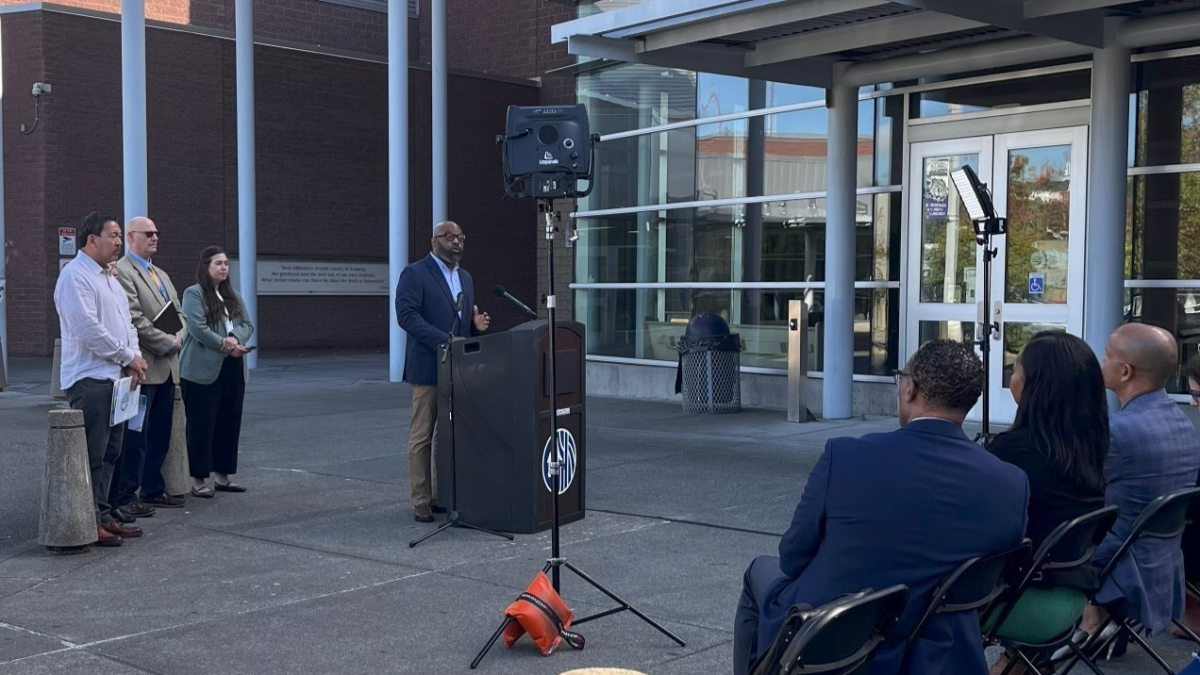

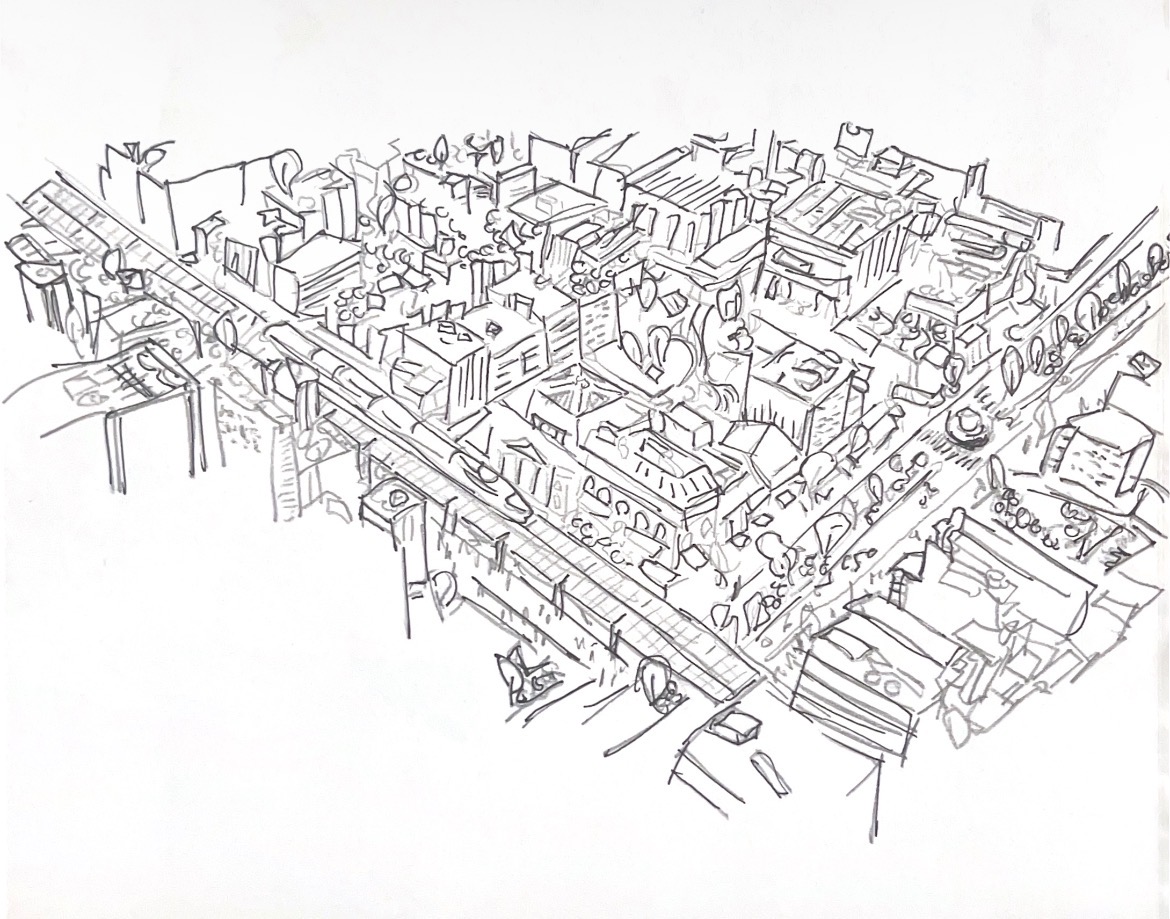
As of January 21, 2026, corner stores and markets have been re-enabled to establish locations in residential neighborhoods. Seattle City Council approved the change in December, following a long period of zoning rules that barred their development. The approval came with a set of criteria that prohibited spaces from exceeding 2,500 feet and being open from 10AM to 6PM. Under the according guidelines, aspiring business owners are able to establish locations that provide a mere 15-minute walking or biking commute for locals to fulfill their needs.
Seattle zoning laws enacted in 1923 prohibited most new commercial business, including markets and corner stores, in residential zones. Citizens of Seattle have become weary of the century old laws, and have recently pushed for the re-legalization of residential developments. Residents desired the revitalization of corner stores in order to create a more connected community feel and improve the walkability of their neighborhoods.
Due to the decade-long policy, there are few existing residential establishments in Seattle, all of which had to precede the mid-20th century policy change. Volunteer Park Cafe, for example, moved into its Capitol Hill location 5 years ago, which had previously been occupied by other businesses. Melissa Johnson, the manager of Volunteer Park Cafe, said that the restrictions had them working under “pretty strict guidelines,” though “now that the law has passed, it’s become a bit more lenient” and accommodating.
The laws barred them from using their backyard space which the “community was super disappointed by,” Johnson said. However, “now that there are less restrictions, they are able to gather and enjoy this gorgeous garden in our backyard.” The community saw the backyard as a space that could increase walkability “within the neighborhood” and “one they could enjoy in the community together,” Johnson added. The leniency of recent laws has allowed community frustration to be received with more than just disappointed responses, as residents and businesses alike are experiencing the benefits of being able to make active change.
When asked about her opinion of seeing more residential businesses come to life, Johnson said, “It’s such a beautiful thing to be able to walk within your own neighborhood and enjoy a local business.”
What this change harnesses is Carlos Moreno’s 15-minute urban planning model: a model framed around residents accessing essential services within a 15-minute walk or bike ride from their home. This model’s benefits range from ensuring environmental sustainability, promoting active mobility, allowing equitable access to services regardless of location, and making for efficient use of land. Specifically, it will pave the way for many small-business owners to excel and brighten up the residential areas of Seattle, providing quality community space and services to locals.