
“When you standardize something so that you can measure success in it… and you make it so anyone can learn it, it’s just like math—it puts you in a little bit of a box.” That’s what Garfield’s band director Jared Sessink said when asked how he saw the changing culture of high school jazz. He, among many other music educators, has found both positives and negatives in how the genre has been adapted for modern education. But what exactly has changed?
After all, today’s “jazz” retains a lot of traits from its conception in the late 19th century. In some ways, that’s what makes it so special to local artists like Isabella Du Graf, a prominent Seattle jazz artist and teacher at the Seattle Jazz Academy. “I always gravitated towards the freedom that jazz had,” she remarked. “Even though there are a million renditions of My Romance, you know, depending on who’s playing it and what their story is, there’s something that feels deeply personal.” As for the changes in jazz education, Du Graf found it to be “a double-edged sword.” Du Graf acknowledged that “music is always evolving,” and formal education isn’t anything groundbreaking for such a complex art form. She noted that great artists like Miles Davis and Nina Simone were both highly educated in music, but others like Charlie Parker and Count Basie were self-taught. To her, jazz education isn’t a one-size-fits-all ordeal, but “this large diaspora of education amongst the people we look up to.” In the last 20 years however, the rise of private arts schools, jazz curriculums, and social media have drastically shifted the tradition from one of the freest art forms to what Du Graf described as “a sort of institution.”
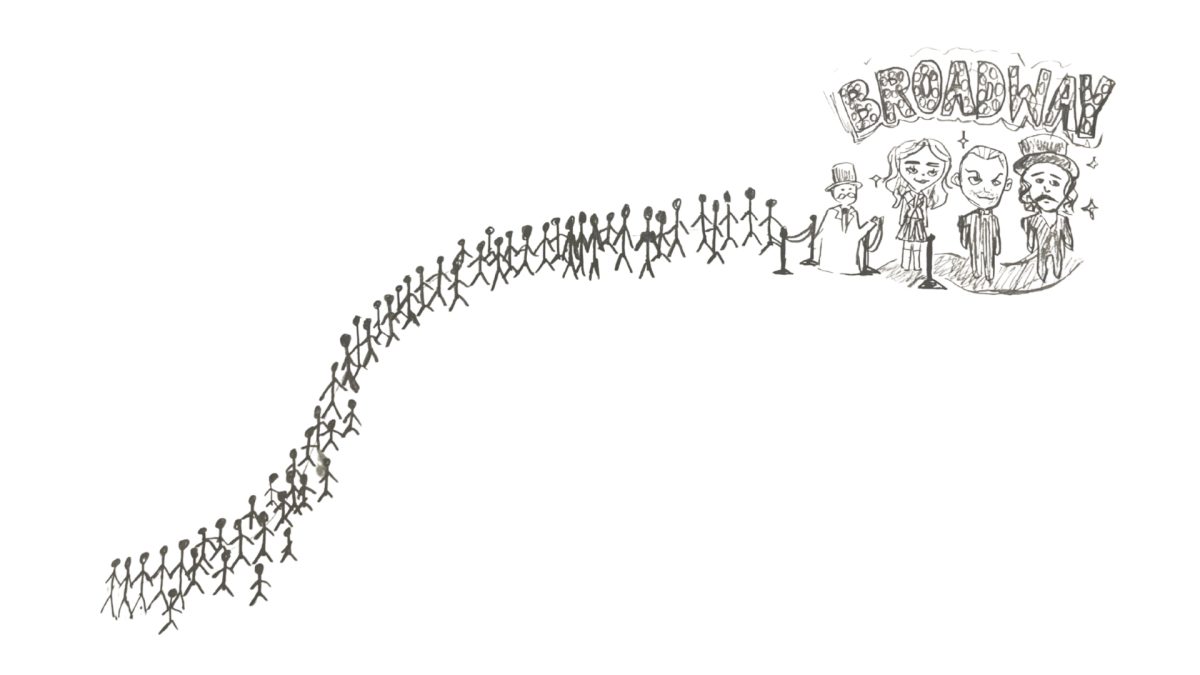
Private magnet schools do great things for jazz. They enable students with less financial resources to play, are able to hire better teachers, and help keep tradition going. They also audition kids from around the state, give out lofty scholarships, and create professional jazz bands out of high schoolers. These jazz bands often compete at national competitions, like Essentially Ellington, which become increasingly competitive with the growth of these schools. For the 30th annual appearance of Essentially Ellington, only three of the top ten finalist schools were public. Garfield alum Kassa Overall pointed out that “the idea of [musicians] being in competition is a flawed idea, but I think that for kids, especially, we needed something like that to get us to care.” 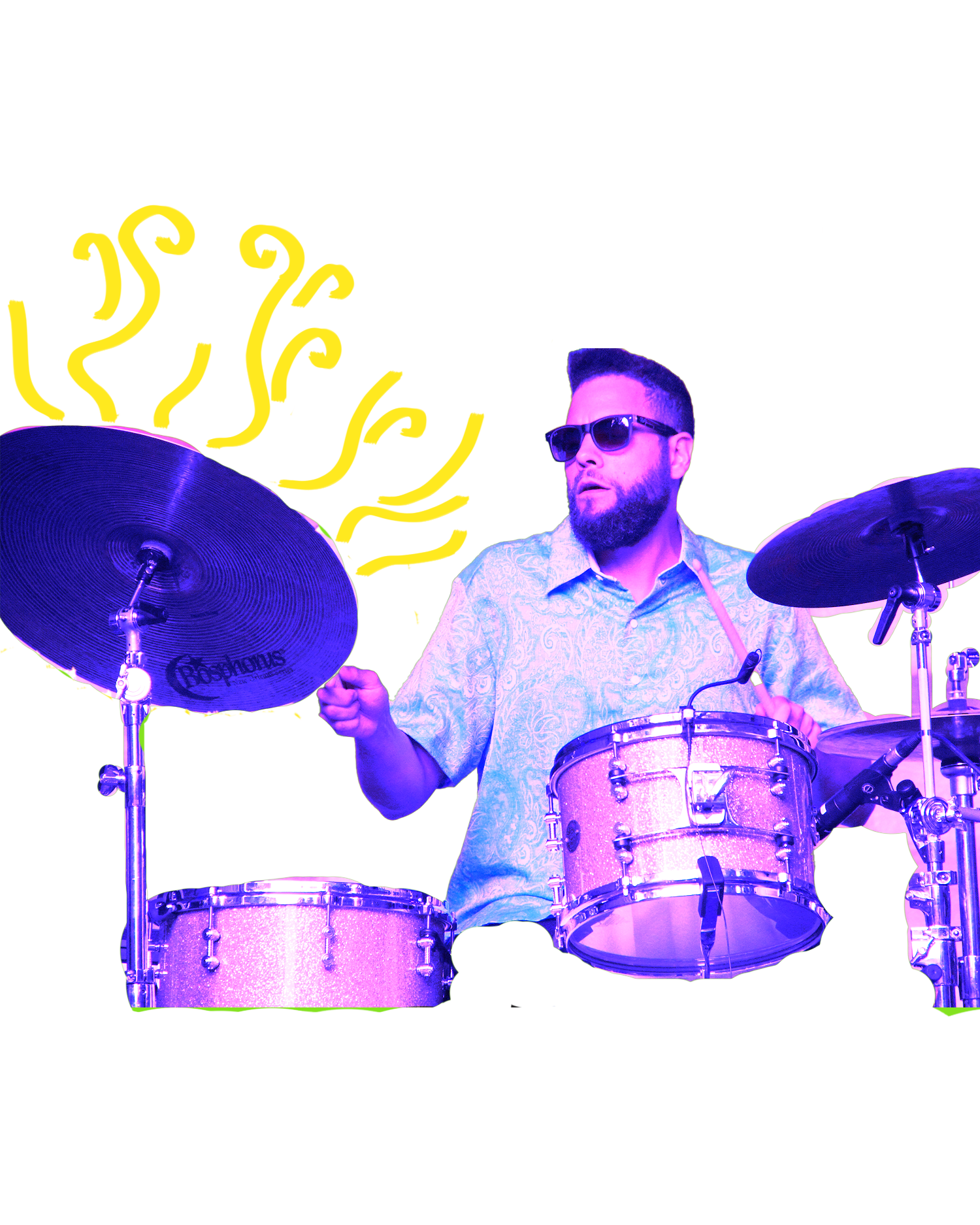 Overall graduated from Garfield in 2001, where he played drums in the big band under the direction of Clarence Acox. Although stating competitive music had its flaws, he also noted, “the competition space as a whole was one of the things that really amped us up and made us get excited and want to put the work in.” Garfield Jazz has three levels and is regarded as one of the top public school jazz programs in the nation. Every year bulldogs in Garfield’s Jazz 3 and 2 go through a rigorous audition process hoping to be placed in a higher
  band. “I think for the auditions… it was stressful, just trying to practice a lot, because I was looking to [meet]… a high bar for myself, but also a lot of my closest friends also had high bars for themselves, and we were like, only one of us is gonna make it,” said alto saxophone player Aqel Paine, a sophomore in Garfield’s Jazz 1 program. While these competitive dynamics can foster success, they can also encourage a more cutthroat environment. “People always have their opinions of other people, and sometimes that kind of gets out and adds some toxicity [to the] environment,” Paine said. For many, jazz becomes too much of a commitment as high school continues; only a small percentage of students do it all four years.
Furthermore, jazz is expensive for students and families, and, unlike private magnet schools, Garfield doesn’t have the resources to support every single student in things like private lessons or new equipment. In a world where band trips can cost thousands and instruments even more, jazz can be unaffordable for some families. As a result, students with less financial freedom get pushed out of the competitive scene. Just like new housing developments in the Central District, the cost of jazz has begun to ‘gentrify’ the jazz education scene, enabling often wealthier white students to predominate a historically Black art.
In Kassa Overall’s words, “Jazz started out as just a folk thing, or a street thing, or something that wasn’t really all that connected to academia.” What was created by African Americans in the late 19th century quickly became widespread across the United States, resulting in Jazz becoming more predominantly played by White Americans. At Garfield, over half of the Jazz 1 ensemble is White, even though only 33% of the school’s general population is. Paine, one of few Black players in the Garfield band, remarked,“I’m in it, ‘cause I like it, but I’m also in it with the idea of, I’m representing an important group of people in jazz.  Where there aren’t that many… I represent where jazz came from…there really aren’t that many black people in the jazz program anymore.” Du Graf, who attended Roosevelt in her own high school years, was in a similar situation. To her memory, when she joined her school’s jazz program, she found herself to be the only Asian American there. “I was never white enough, but I was never Asian enough. It was just kind of like straddling in between. But I think, honestly, that’s why jazz was so attractive to me too, is because it kind of stripped away these things,” she stated. “Removing ego from that to be a part of a collective experience has helped me, you know, become a better artist and just a better person.” Du Graf emphasized the fact that no matter what the racial background she or her bandmates may carry, they are “all engaging in being a part of Black American music,” and sometimes it’s important to “strip your identity and realize that that’s what we’re playing.”