
Urban farms are taking the city by storm, providing various plots of green space and a pop of PNW colors within Seattle’s urban territory. There are many benefits to these farms on multiple scales: increased access to fresh fruits and veggies, reduced emissions on produce, community bonding, waste reduction, cost efficiency, and they provide various volunteering opportunities for those in need of hours. So fear not, the 60 community service hour graduation requirement is not cooked!
Yes Farm-727 Yesler Wy, Seattle, WA 98104:
Yes Farm owned by Black Farmers Collective, an organization dedicated to cultivating a black-led food system to create a space of black liberation, healing and joy created by a group in 2016 led by co-founder Raymond Williams. The farm is 1.5 acres along I-5 at Yesler Terrace. They partner with numerous local universities and K-12 programs. Check out their website to see their calendar, or call them to find out more about their various volunteering opportunities.
Rainier Beach Urban Farms & Wetlands-5513 S Cloverdale St, Seattle, WA 98118:
Rainier Beach Urban Farms and Wetlands may have opened in May 2018, but the idea for the community urban farm had been developing since 2009.
This operation has been in the makings for 9 years with a group of local community activists and residents. Their goal is to increase access to affordable quality crops within the Rainier Beach community. They are devoted to organic food production, environmental education and restoring wetlands in the urban territory. They offer a free family harvest and U-pick stop in their garden as well as multiple opportunities for volunteering, cooking classes, dinner events, camps, and field trips for schools. All of these can be accessed via their website.
UW Farm-3501 NE 41st St, Seattle, WA 98105:
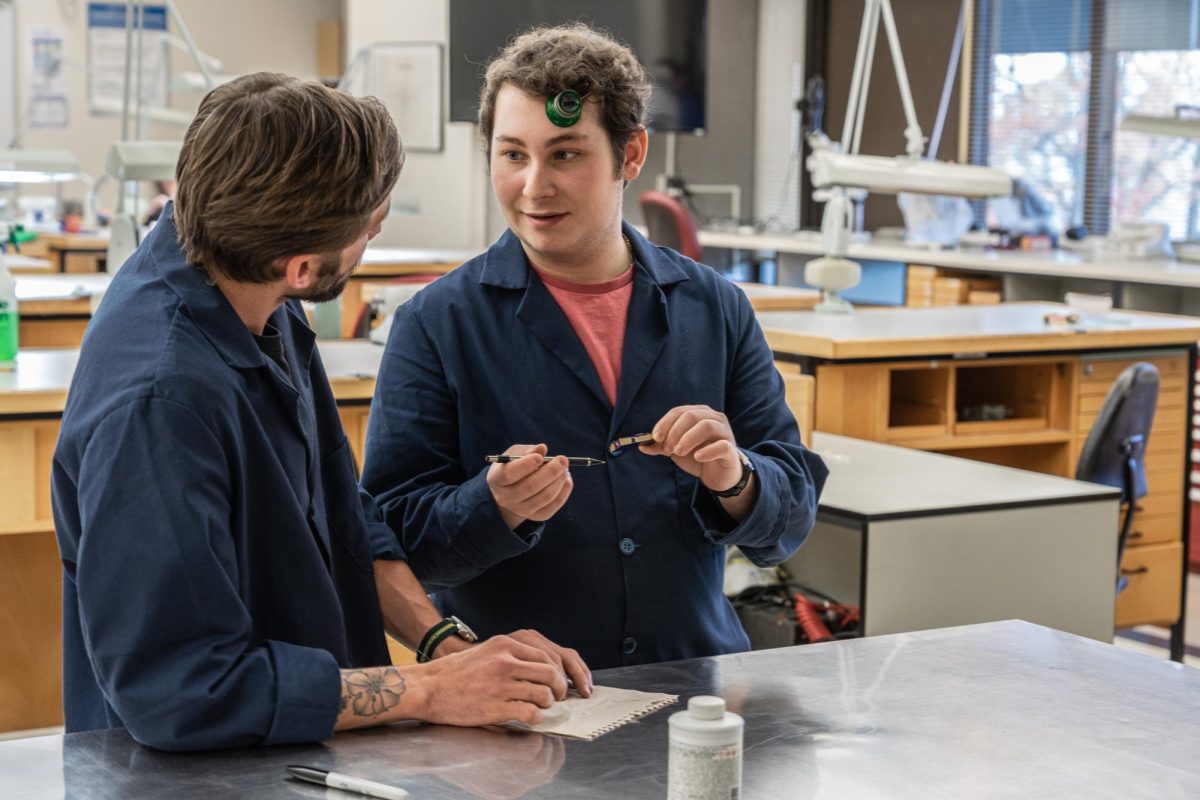
The UW Farm is a 2.5 acre farm led by University of Washington Students. It is used for various laboratory and educational purposes produced by UW. Their mission is to have a center for practice and study of urban agriculture and sustainable urban farming practices. They have devoted days to welcome in other UW students and local community members to come volunteer.. However it is a requirement for volunteers under 18 to have an adult accompany them as a minor. Activities consist of: working with other volunteers, team projects, starting seeds and making soil blocks, andpreparing beds for planting. This preparation includes moving compost, tilling, making raised beds, weeding by hand using various farm tools, removing invasive plants, installing drip irrigation, and making flower bouquets or caring for the farm’s flowers. For more information check out their website!