

What does parasocial really mean?
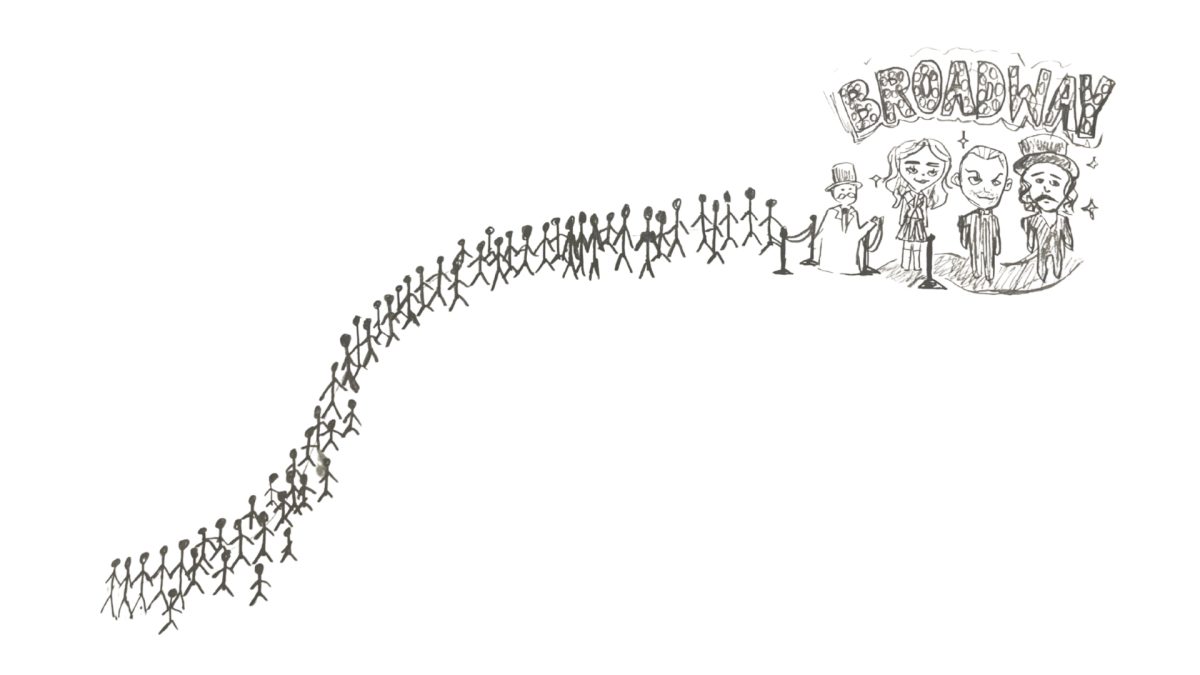
Cambridge Dictionary has released its 2025 word of the year: “parasocial”, a word that has only recently gained popularity as a way to describe the often toxic “relationships” between a celebrity and their fans. The term was originally created in 1965 to describe one-sided relations with media figures in the golden age of television, but has since evolved in the era of Tiktok influencers, AI chat-bots, and “stan” culture.
Musicians in specific have always had a unique hold on their audiences: Beattlemania, the Elvis fan squad, and more. A modern example many are citing is the “Swifties” fanbase and their obsession with Taylor Swift’s life and relationships. Another prevalent example that comes to mind is Kpop stans and their social media accounts dedicated to discussing their idols’ habits and quirks. Unquestionably, parasocial relationships are becoming increasingly common across fanbases and platforms.
BUT WHY?
Modern social media platforms allow fans to track their favorite influencers’ daily lives; it’s become acceptable and even commonplace to post every meal, thought, and day-to-day activity. The original definition of parasocial was targeted towards those who had one-sided relationships with the ultimate elites: the ultra-wealthy, ultra-famous, ultra-talented, etc. As social media continued to shift ordinary people into the public eye, parasocial relationships became even more widespread. The “untouchable” and “mysterious” celebrity figure was increasingly replaced by “down-to-earth” and “authentic” creators who addressed their audiences as intimate friends. The style of vlogging in a way that mimics simply being on FaceTime with a friend has exploded in popularity, and it’s not hard to see why…
It’s no secret that quarantine had practically everyone stuck inside with nothing to do besides scrolling on the internet. Because of this, many viewers formed unhealthy relationships with content-creators: without the presence of other forms of social interaction, people had to resort to the next-best thing, which was obsessively following the digital lives of the rich and famous.
Additionally, COVID has stunted personal development in young people in many ways. Instead of reaching out to form actual friendships and take the risks that come with meeting new people, many people consider it easier to simply latch on to a celebrity role model. In fact, the one-sided component of parasocial relationships is a large part of what makes them so appealing; there’s no possibility of rejection, awkwardness, or emotional risk.
Ultimately, there’s not a single explanation to the rise of parasocial relationships: it’s a combination of factors, all primarily related to modern social interactions. Regardless, when looking at the current state of the world, it shouldn’t be a surprise that a new(ish) form of escapism has gained popularity.
Coming next week: Analyzing Taylor Swift’s Engagement Ring Choices – Is She Secretly Pregnant??!!