

Another year of AP test registration fees hit Garfield on October 31, 2025. This time, students could opt into testing for more than $125 per subject, a cost that many argue is unreasonable.
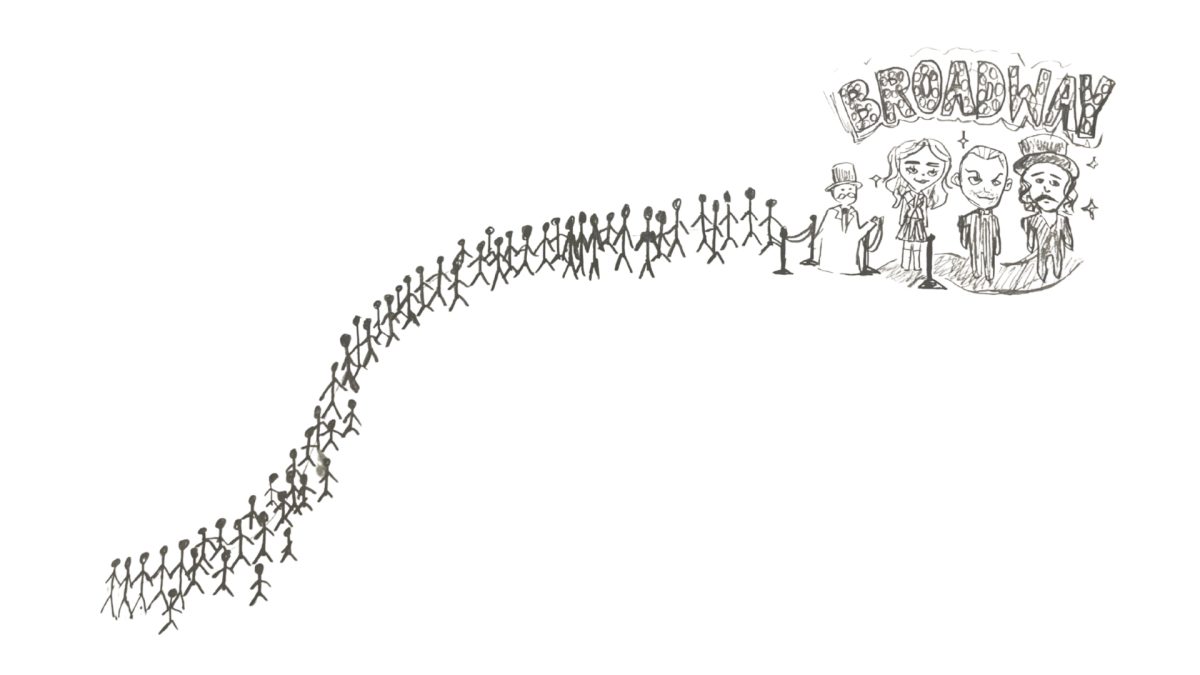
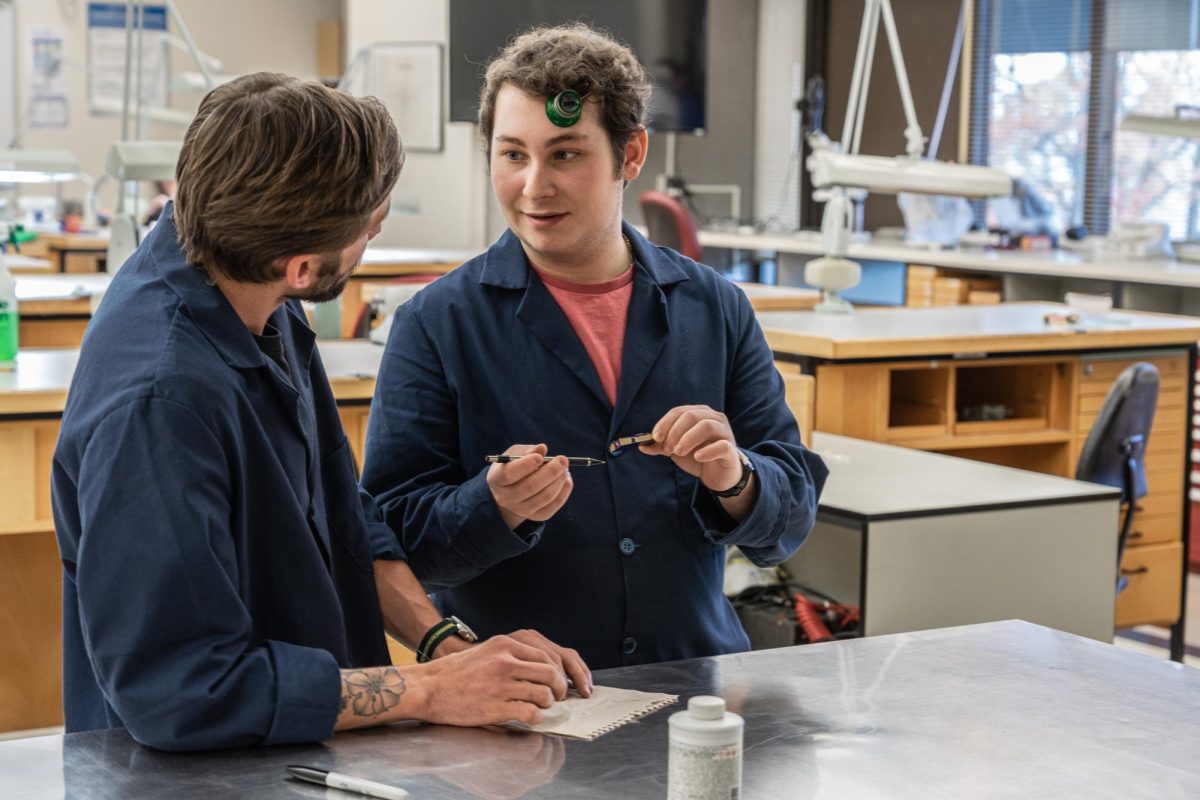
Education has always been a business. To some however, the current state of our schooling system could be better described as a merchandised industry. Last year one of the industry’s most prominent organizations, College Board, reported over 1 billion dollars in revenue. Seeing numbers like that left many students puzzled after spending enough per test to buy 8 three-piece chicken tender combos from Ezell’s. Eli Riggio, a Garfield senior who has taken 6 AP tests already and is signed up for 2 more, noted that “this educational paywall amplifies wealth inequality.” Riggio added that “when education is so expensive, it limits who gets what opportunities, and it creates a huge divide in the system.” The increasing price tag on education keeps many people with less money stuck in a loop where “The people that need access to education the most are getting boxed out”.
Getting a 5 on an AP test isn’t the only thing draining student’s wallets, and it isn’t the worst one either. According to the National Center for Education Statistics, the average tuition for both private and public universities has tripled in the last 30 years. This rides far above the increase in household income over the same period, amplifying the preexisting opportunity gaps in our communities. Riggio pointed out that a certain mindset of “needing to go to the mainstream schools” has developed among many students. This isn’t necessarily new, but as America travels deeper into the digital age, it only gets easier for colleges to attract more students and raise tuition. He added that in his own research for college applications, he “tried to eliminate the name-factor”, and saw that “a lot of people tend to gloss over schools with great programs.”
It is important to note that this sort of business is necessary. In Garfield Junior Shuaib Mohammed’s words, “It’s not possible to just drop all monetization, it would be unsustainable.” Organizations like College Board, which have made pathways to college and careers much more accessible for many, need large revenue sources to support their vast networks of operations. Still, Mohammed described the monetization behind education as an “obstacle that becomes a dead end” for students. He added that even for some students with great resumes, it’s either “neglect some commitments or neglect your academics” when they also need to work to support their families. Mohammed also stated that “educating the children of your country is a long-term investment,” and that “investing in the future of a nation without putting up barriers like extensive monetization” could help raise a stronger “new generation of scientists, thinkers, and politicians.”
Both Mohammed and Riggio acknowledged that the power for change lies with everyone, whether it is “removing the name-factor” or simply not using education as a source of immense profit. To improve upon our current system, significant changes will need to be made by people on all levels of society, not just those in charge.