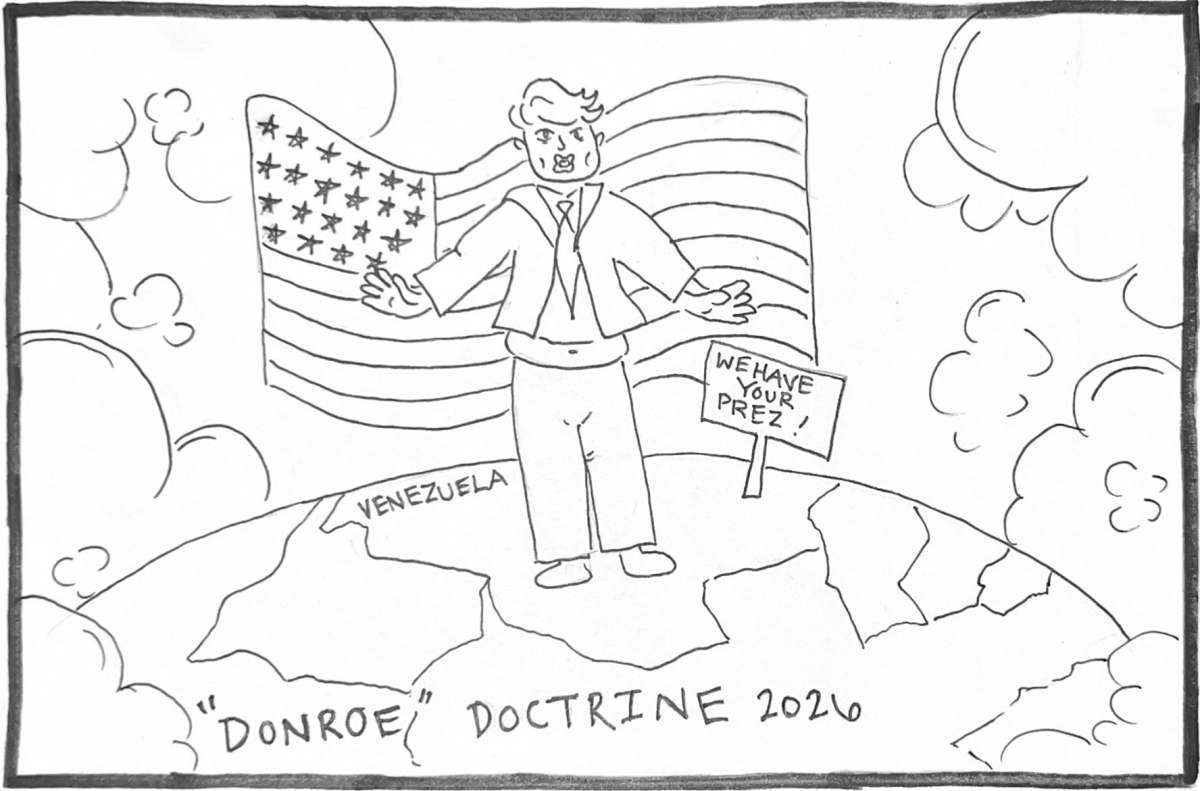
On Saturday, January 3, after a series of air strikes across multiple Venezuelan cities, the US captured President Nicolás Maduro along with his wife, Cilia Flores. The former president is currently being held in New York City and is awaiting trial for drug trafficking charges. In Maduro’s absence, Delcy Rodríguez, the former Vice President of Venezuela, is the nation’s current acting president. In September, the US began amassing naval forces near the Venezuelan coast which was part of a pressure campaign on the country, culminating in Maduro’s capture.
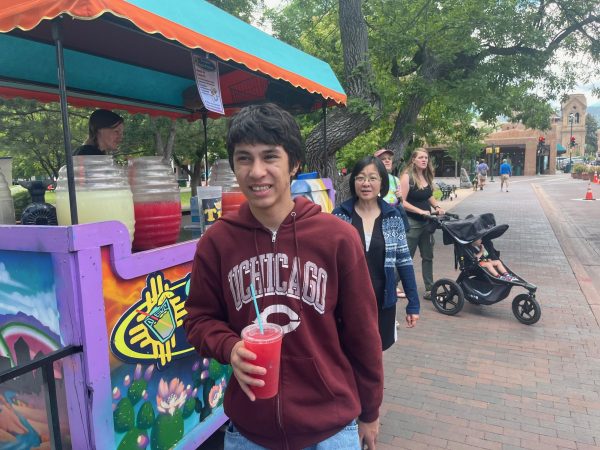
Maduro was considered to have been leading an authoritarian government, characterized by many human rights abuses and corruption. “Most Venezuelans have a negative view of Maduro because he has been a dictatorial president and has ruined the country and Venezuelan families,” Keinismar Marcano, a Venezuelan student at Garfield High School, said. Due to his controversy, Maduro’s capture sparked mixed reactions across the world: some marched the streets celebrating the end of Maduro’s presidency, while others assembled to demand the release of Maduro and protest the United States’ involvement in Venezuelan affairs. “[The] reaction upon learning of his arrest was one of joy, but also confusion, since we don’t know what will really happen to the country,” Marcano added.
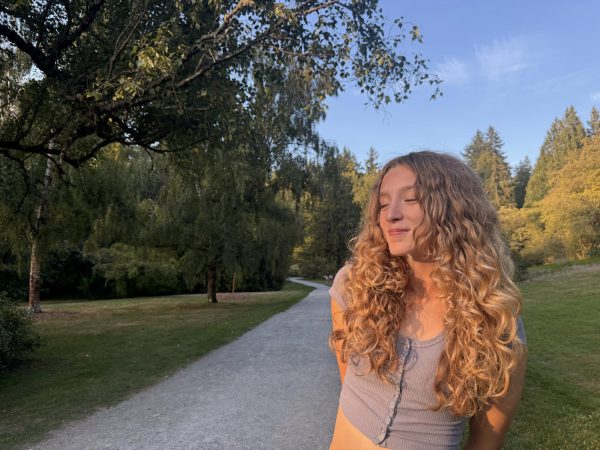
Despite Maduro’s capture, no true regime change occurred as Maduro’s Vice President, Delcy Rodríguez, is now in power. “They are the same people,” Marcano said, referring to the former president and the new acting president. “They don’t care about the benefits for the citizens; they only care about money and themselves,” she added. The corruption and abuse that was prevalent in the Maduro government will persist under the new leadership. “Many government structures are still the same, so improvements won’t happen right away,” Ashley Ramos, another Venezuelan student at Garfield, said. Since Maduro’s rise to power in 2013, 7 million Venezuelan nationals have fled the country due to poor economic conditions. “The economy and living conditions won’t improve overnight, so many people will still look for better opportunities abroad,” Ramos added, reflecting on how, despite Maduro’s absence, many Venezuelans will still leave the country.
Compared to Maduro, Hugo Chávez, his predecessor, was a very similar leader. “There is a word for the people who support Chávez that is called Chavista … and even though they think it’s a bad government, they need to support [Chávez] to keep their family safe and with food every day,” Andres Avilera, a Venezuelan Garfield student, said. Chávez, like Maduro, was considered a dictator and led Venezuela’s socialist party until his death in 2013. Maduro, Chávez’s Vice President at the time, took over presidential powers and continued to lead the socialist party. “[Initially] Maduro was seen by public opinion as someone who could change the country and improve everything that Chávez had done wrong, but in the end he turned out to be the same, or even worse,” Marcano added.
“I believe the only way for Venezuela to improve is for them to install the true president that the people voted for, which was Edmundo González,” Marcano said. Edmundo González is a prominent opposition leader to the Maduro government. In the 2024 Venezuelan presidential elections, González campaigned against Maduro and acted as a replacement for María Corina Machado, the leading opposition candidate that was barred from participating in the elections. Machado is a recipient of the 2025 Nobel Peace Prize and is a right-wing politician who has opposed Maduro’s government since 2014. Machado is a supporter of President Trump and advocates for US oil companies to access Venezuela’s lucrative petroleum industry.
Once the election concluded, the majority of outlets and polling centers showed evidence that González achieved an overwhelming victory. Despite that, the government-controlled National Electoral Council gave Maduro the victory and he was sworn in for his third term. “They were denied power because, according to the government, they betrayed the country,” Marcano said, adding that the Venezuelan government “threatened [to kidnap] them, forcing them to leave the country.”
In spite of Maduro’s unpopularity, his capture led to mixed feelings about US involvement in Latin American affairs. “I personally believe it’s good that the United States gets involved in Latin American affairs because, whatever their intention, it ultimately ends up helping us in some way,” Marcano commented, adding that “not everyone shares the same opinion; many people believe that the United States only gets involved in these matters for money and for the benefit of their own country.”
As Marcano alluded to, this isn’t the first time the US has involved itself in Latin American politics. During the Cold War, the US provided economic and military support to the Nicaraguan Contras, a right-wing militant group that opposed the communist Sandinista government. While announcing the capture of Maduro, Trump announced that the US would be taking control over Venezuela. “We are going to run the country,” he said. The US has consistently aimed to suppress communism in Latin America, but Trump’s intervention is the most direct approach the US has yet taken. However, Venezuelan acting president Rodríguez opposes the possibility of a US takeover. “We are determined to be free,” Rodríguez said, in an address to the Venezuelan people. “What’s being done to Venezuela is a barbarity.”
Even though they oppose Maduro, many Venezuelans are still hesitant to trust Trump. “It’s very controversial,” Ramos said. “Many people distrust the US because past interventions in the region [Venezuela] didn’t always end well, even those who didn’t support Maduro.”
While the Venezuelan government adjusts to its new predicament, the people will continue to deal with poor economic conditions and other issues that plagued the Maduro government. “Personally, and I know many Venezuelan teenagers feel the same way, we’re just waiting to finish high school so we can leave the country and find a better future because we know there’s no future in Venezuela right now,” Marcano said.