
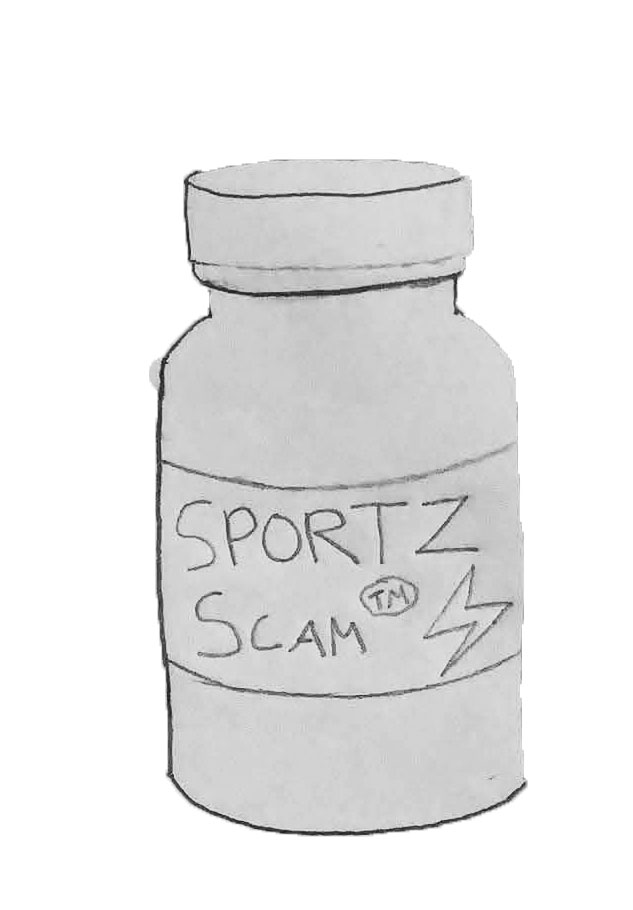
In a relentless campaign for clicks and customers, promises to slim, shorten, or bulk dominate digital feeds. Sports and health supplements have hit the market violently, flooding the Tiktok Shop, Instagram ads, and sketchy websites. These supplements come in liquid, pill, and gummy form, targeting a wide range of consumers from teenage gym rats to high-tier athletes. The products that make big promises include sea moss tablets, liquid carnitine, and L-arginine/nitric oxide boosters, amongst many others.
The most common is creatine, one of the few trending muscle boosters that has trusted research suggesting it has a positive effect on athletic performance. However, even for a genuinely effective compound like creatine, cheap and unsafe products are becoming increasingly common. Aspiring influencers love to push misleading forms of creatine with filler chemicals that cheapen its production, capitalizing off of its popularity online.
The biggest problem with many of these supplements is that they aren’t regulated by the Food and Drug Administration (FDA) in the same way that traditional food and drug products are: supplements are not required to have significant evidence supporting their effectiveness, unlike medicinal products. The only time the FDA will take action against supplements is if they receive a large volume of safety complaints or reports of misbranded marketing. Essentially, the burden of ensuring a product has accurate labeling (and is actually effective) is on the manufacturers.
Because of this, third-party marketplaces like Tiktok Shop and social media resellers are able to sell supplements that claim to boost overall health, a metric that is notoriously hard to measure and track.
Along with supplements, smelling salts are another product that have trended online as a tool to temporarily boost athletic performance. Many sports influencers have posted videos of attempting PRs (personal records) before and after using smelling salts. Traditionally, smelling salts have been used to awaken fainting victims, and are approved by the FDA- but only for that purpose. In fact, the FDA has issued a warning to smelling salt vendors, warning them to not make unsupported claims about boosting athletic performance. Smelling salts temporarily boost blood pressure and heart rate, causing heightened alertness. This effect is highly desired by athletes in need of quick boosts, especially in contact sports like football and hockey. However, regarding long term effects, there is very little scientific evidence showing any boosts past the short-term.
If one chooses to use any of these products, it’s unlikely that any actual harm will be done- beyond wasting money. The bigger problem is the lack of transparency in the online fitness community. Influencers both large and small routinely sell out and turn to promoting sham products, abandoning their original follower base. Progressively unattainable standards in weightlifting and body lifting have created an environment that allows unrealistic claims and fraudulent supplements to thrive.