Since the beginning of November, a series of court orders have thrown funding for the Supplemental Nutrition Assistance Program, which helps feed low income families across the nation, into turmoil. Beginning November 1, the shutdown of the US federal government had been significantly hindering states’ ability to pay out SNAP benefits. Due to the shutdown, no money has yet been allocated to pay for SNAP in fiscal year 2026.
There is a contingency fund dedicated to paying for SNAP during government shutdowns, but the Trump administration claims that it can’t use the fund to pay for SNAP benefits. On October 31, federal judges ruled in two separate cases that the federal government had to pay for SNAP benefits with the contingency fund, yet the Trump administration continued to claim that it could only use the fund to pay for partial benefits. These benefits would have led to significant impacts within communities. “I’m gonna see kids that I don’t normally see because of the impact of either none or half [benefits]. They’re not going to have enough to make it,” Ms. Porcia, Garfield’s student resource manager, said.
Later, on November 6, a judge ruled that the Trump administration was required to hand out SNAP benefits in full by Friday November 7, so some states, including Washington State, began to give out full SNAP benefits to residents in need. For its part, the Trump Administration immediately appealed those rulings to a higher court, and then the Supreme Court. The Supreme Court granted the Trump Administration an administrative stay, a type of temporary pause to give a court time to rule, of the order requiring SNAP to be paid out in full. This means that as of Monday November 10, SNAP benefits are still only partially funded, though some states have given out full benefits to residents. The Trump administration is currently asking states like Washington that have already given out full benefits to rescind those benefits, though it is unclear if that will happen before another court ruling moots it. This situation is expected to evolve constantly and quickly in the coming days, so for the most current information from the Washington Department of Social and Health Services (responsible for distributing SNAP benefits in Washington State) go to their website.
The future of these benefits are not guaranteed, as the amount of money in the SNAP contingency fund is still limited. According to the United States Department of Agriculture’s website, there are about 45 billion dollars in the fund and it costs about 9 billion dollars a month to fund SNAP nationwide. Still, many remain hopeful that the ruling will help return demand for aid to normal levels, stabilizing aid for everyone in need. “I think outside of this thing we do a [really] good job here [providing for kids],” Ms. Porcia said. “I just think that this is an unfortunate situation that has put us in a place that we need to do more.”
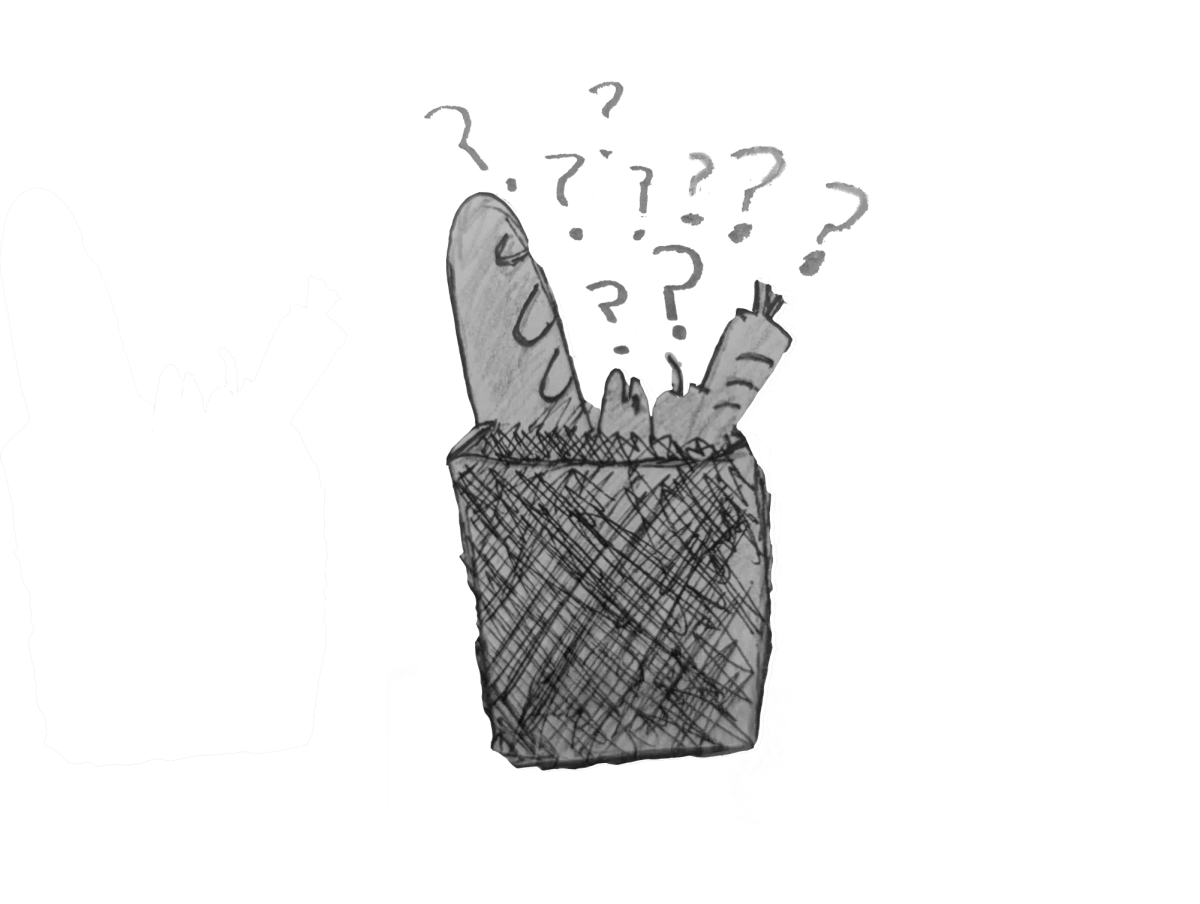
Graphic by Nathaniel Myers.